Your cart is empty
Your cart is currently empty. Let us assist you in finding the right product.

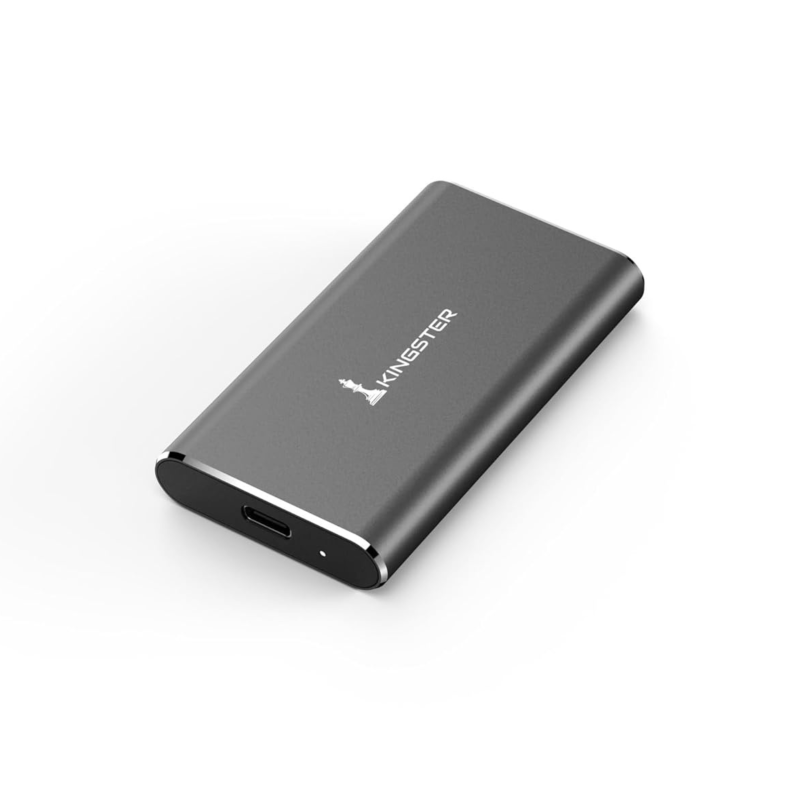
India's storage market now has two clear options for portable storage: the traditional external hard disk drive (HDD) and the newer portable solid-state drive (SSD). Both do the same job — store and transfer your files — but they do it very differently. Here is how to decide which one is right for you.
A portable HDD uses spinning magnetic platters and delivers around 100–130 MB/s read speed. A portable SSD with USB 3.2 Gen 2 interface delivers up to 1,050 MB/s — roughly 8–10 times faster.
In practical terms:
In India, a 1 TB portable HDD costs roughly Rs. 2,500–3,500. A 512 GB portable SSD costs Rs. 5,000–8,000. Per GB, HDDs are 3–4x cheaper. If you need maximum storage within a tight budget, HDD wins easily.
HDDs have spinning platters and a read/write head. Drops, bumps or vibrations can damage them — data loss from a dropped HDD is a common complaint. SSDs have no moving parts, making them resistant to drops, vibration and temperature swings. This makes portable SSDs a better choice for travel, fieldwork and commuting in Indian cities.
SSDs are significantly smaller and lighter. A portable SSD is about the size of a credit card and weighs under 50 g. A portable HDD is larger and heavier. For frequent travellers and backpack-light users, SSD is the clear winner.
| Use Case | Recommended |
|---|---|
| Photo and video backup for a smartphone | HDD (more GB per rupee) |
| Laptop backup, files archive | HDD |
| Video editing or running software from the drive | SSD |
| Frequent travel and daily commute | SSD |
| Tight budget (under Rs. 3,000) | HDD |
| Need maximum speed and durability | SSD |
KINGSTER makes both: the KINGSTER External Hard Drive for value storage, and the KINGSTER Portable SSD for speed and durability. Both ship free across India.

Discover more stories and style tips to keep your inspiration flowing.
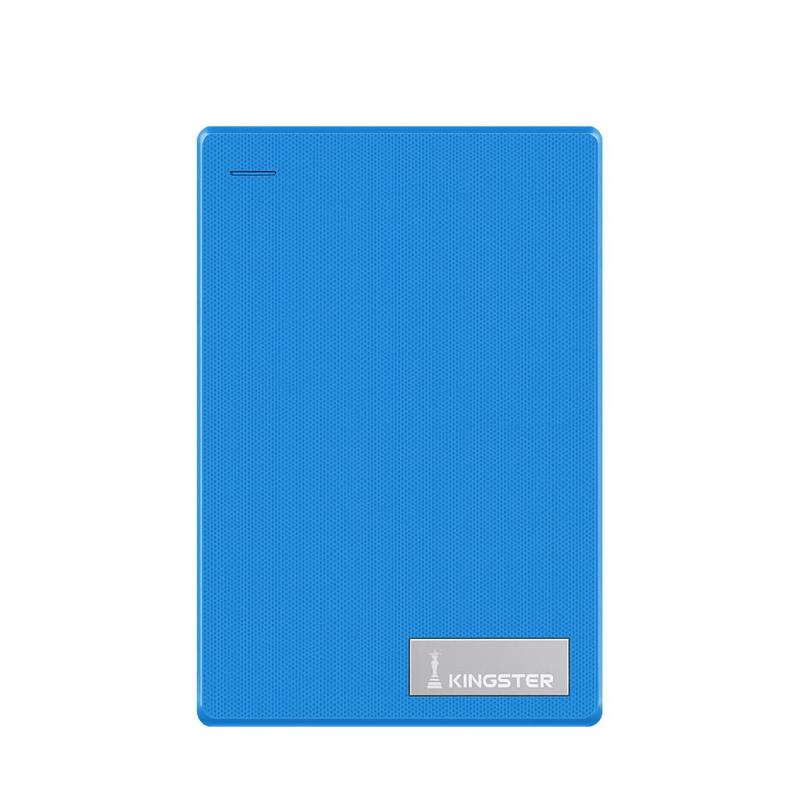
09 July
Looking for the best external hard drive in India? This guide covers what to check — speed, capacity, compatibility and price — before you buy a portable HDD in 2026.
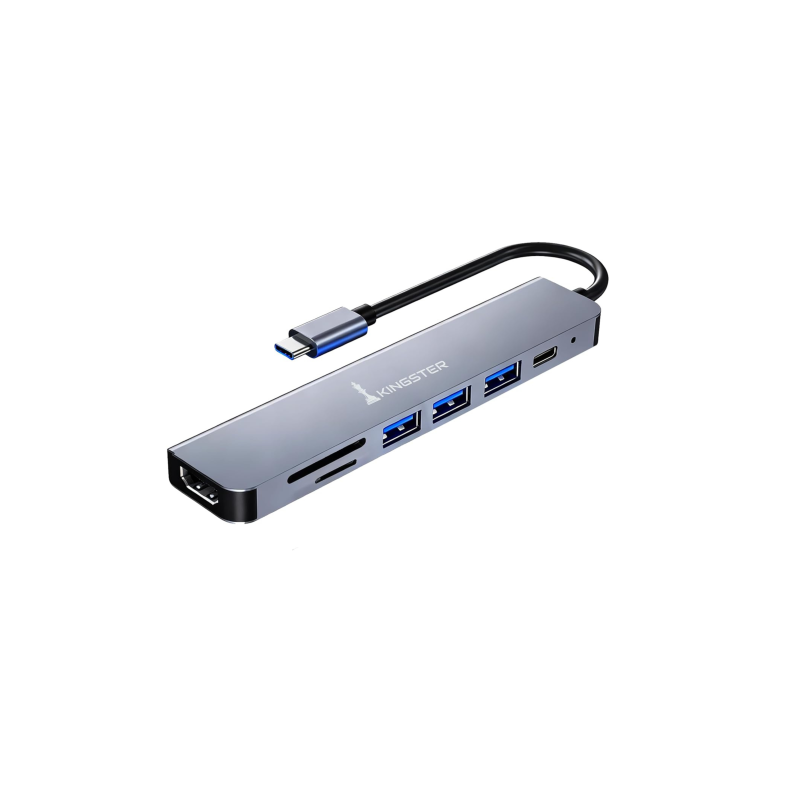
09 July
USB-C hub or USB-A hub — which do you need for your laptop in India? This guide explains the difference, what ports matter, and what to look for before buying.
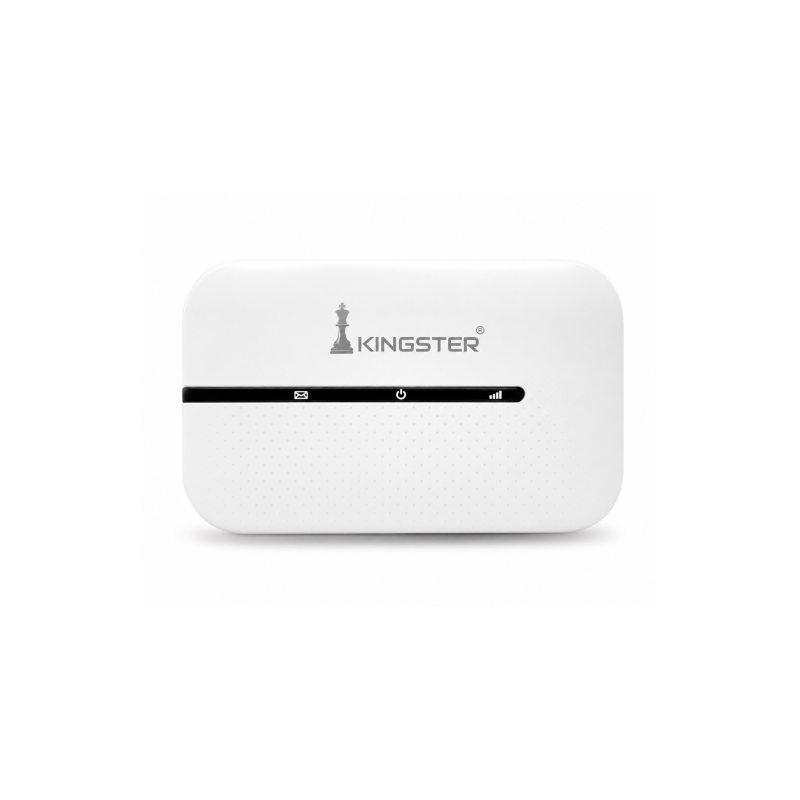
09 July
Looking for the best 4G or 5G pocket WiFi hotspot in India? This guide covers what to check — speed, battery, SIM support and price — before buying a portable WiFi router.
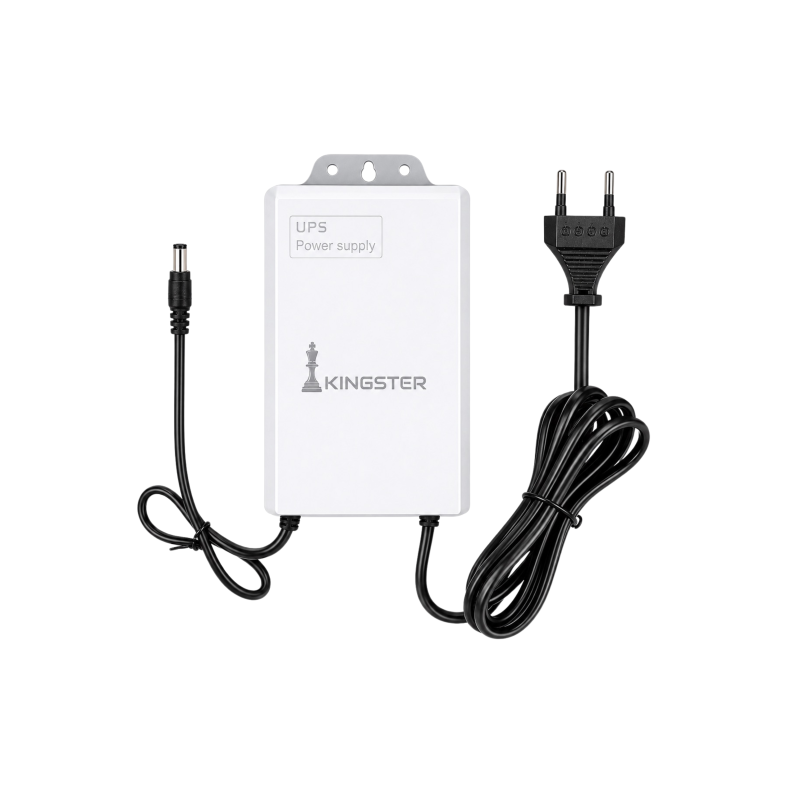
09 July
Power cuts are common across India. A mini UPS for your WiFi router keeps your internet running during outages. Here is everything you need to know before buying one.

09 July
Looking for the best silent wireless mouse for work-from-home in India? Here is what to look for — Bluetooth, battery life, click noise and ergonomics — before buying one in 2026.

28 May
Small calibrations to your phone, watch, and home setup that save hours every week.
Buy ₹100.00 more to get free shipping
Your cart is currently empty. Let us assist you in finding the right product.